Bronze Prize at MQDC Design Competition: Reimagining Thai Social Space Through a City Festival ศิลปะ ทอ เมือง
- Author
- Mar 16
- 4 min read

Updated: May 7

เทศกาล ศิลปะ-ทอ-เมือง


Feb 2023
ลำพูนเป็นเมืองที่มีอายุ 1,343 ปี เก่าแก่ที่สุดในภาคเหนือ โดยจุดเด่นของลำพูนอยู่ที่คนลำพูน ซึ่งเป็นผู้ที่มีทักษะโดดเด่นเชิงช่าง (Artisan) และเป็นที่พำนักของศิลปินแห่งชาติ ศิลปินร่วมสมัย และศิลปินรุ่นใหม่จำนวนมาก ด้วยเป็นพื้นที่ที่มีบรรยากาศเหมาะแก่การสร้างงานศิลปะ และอยู่ห่างจากตัวเมืองเชียงใหม่เพียง 30 นาที
ปัจจุบัน ทีมออกแบบมองว่า ตัววัดพระธาตุมีศักยภาพสำคัญอยู่แล้ว ที่จะดึงคนจากทั่วทุกสารทิศ ทั่วประเทศ มาสร้างชีวิตให้กับพื้นที่ ทั้งในแง่ของกิจกรรมทางจิตวิญญาณ การท่องเที่ยว และแง่มุมทางเศรษฐกิจ คำถามคือ ทำอย่างไรพลังชีวิตเหล่านี้ จะสามารถกระจายวงจรออกไปได้เป็นวงกว้าง ไม่กระจุกตัว จึงเป็นที่มาของการสร้าง จุด 3 จุด เวียนรอบพระธาตุ ได้แก่ 1) ลานพิพิธภัณฑสถานแห่งชาติหริภุญไชย 2) ลานศาลากลางเก่า และ 3) ท่าสิงห์ริมน้ำกวง เวียนเป็นลูป รอบวัดพระธาตุหริภุญชัย อันเป็นสัญลักษณ์ของเมือง แกนกลางทางจิตวิญญาณของจังหวัดลำพูน และทั้ง 3 จุด เป็นจุดยุทธศาสตร์ที่จะทำให้เทศกาลนี้แผ่รัศมีกระจายไปได้อีกในอนาคต
1.พิพิธภัณฑสถานแห่งชาติหริภุญไชย (Historical Area)
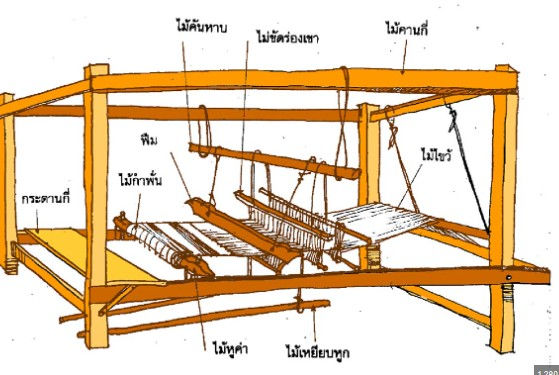
ใช้หลักการออกแบบ Creative Economy และ Creative Space พัฒนาพื้นที่โดยรอบตัวพิพิธภัณฑ์ ให้รับกับการเข้าถึงของผู้คน และมุมมองของเมือง กำแพงต่างๆ จัด Landscape ปรับเป็นพื้นที่คนเดิน ลานเมืองกิจกรรมทางศิลปะสร้างสรรค์ สวนประติมากรรมร่วมสมัย และศิลปกรรมทางประวัติศาสตร์ลำพูน Pavilion design แรงบันดาลใจจากกี่ทอผ้า สีแดง (Lamphun Pantone) กับลายผ้ายกดอกตกแต่งจุดต่างๆ ให้สามารถรื้อประกอบได้ นำมาติดตั้งเป็น Exhibition และ Creative Space ช่วงเทศกาล
A - Creative Art Garden
B – Contemporary Art Gallery Pavilion
C – Circle Art Floor
D – Existing Museum
2.ศาลากลางเก่าจังหวัดลำพูน (Future Area)
ศาลากลางร้าง อยู่ในช่วงวางแผนการพัฒนาเป็นพื้นที่สร้างสรรค์แห่งใหม่ของเมือง Pavilion of Collaboration โครงสร้างได้รับแรงบันดาลใจจากกี่ทอผ้า และตกแต่งด้วยผ้าทอจากช่างฝีมือทั่วจังหวัดลำพูน ทอใหม่ ขยายลวดลายให้เห็นชัดเพื่อการเรียนรู้ เป็นสัญลักษณ์ว่า ศาลากลางเก่าจะถูกพัฒนาจากความร่วมมือร่วมใจของทุกภาคส่วน ไฮไลต์กิจกรรม pop up wish เขียนคำอธิษฐานปรากฏบนหน้าตึกศาลากลาง และคอนเสิร์ต การแสดงจากศิลปินมืออาชีพและท้องถิ่น สร้างความรื่นเริงแก่ผู้เข้าชม
A – Pavilion of Collaboration, Textile Pavilion
B – Fountain
C – Performance Stage
D – Pop up Wish Projection Mapping on Salaklang Facade
3.ท่าสิงห์ ริมน้ำกวง (Relax and Reflect Area)
การออกแบบพื้นที่ริมน้ำที่ทางทีมออกแบบดึงศักยภาพเดิมของพื้นที่มาพัฒนาต่อ จัดสรรเป็นพื้นที่ที่ให้คนได้กลับมาสงบนิ่ง ฟังเสียงข้างในของตนเอง ผ่านองค์ประกอบทางสถาปัตยกรรมและการจัดสรรพื้นที่ใช้งานริมแม่น้ำ เพื่อให้เกิดการตระหนักรู้ถึงคุณูปการที่ธรรมชาติมอบให้เราในการเป็นอันหนึ่งอันเดียวกับจิตวิญญาณของสถานที่และจิตวิญญาณภายในตน ดึงดูดคนในพื้นที่ เด็ก ผู้สูงอายุ คนวัยทำงาน นักท่องเที่ยว สามารถมาพักผ่อน ริมแม่น้ำได้
A – Blessing Area
B – Reflect and Restoration Garden
C- Self Awareness Pavilion

Connection
เชื่อมโยงทุกจุดด้วย Questionnaire interactive activity ด้วยคำถาม
Who are you?
What are you doing?
When you failed, how you rise up again?
What Lamphun meant to you?
What do you want to do as what do you want to be?
What is your dream city look like?
เพื่อเรียนรู้ประวัติศาสตร์เมือง เชื่อมโยงธรรมชาติ พื้นที่ และตัวเอง เป็นข้อมูลเพื่อการพัฒนาเมืองแห่งอนาคต และสามารถพัฒนาเป็น Digital Twins
วันที่และเวลา : 2-10 ธันวาคม
วันที่ 2 ธันวาคมของทุกปี เป็นวันพระแม่นั่งเมือง วันที่เจ้าแม่จามเทวีขึ้นครองราชย์และตรงกับช่วง Chiang Mai Design week
Design Package
Lamphun: General Background
Lamphun is a 1,343-year-old city, the oldest in Northern Thailand. One of its most distinctive qualities lies in its people—highly skilled artisans with strong craft traditions. The city is also home to numerous National Artists, contemporary artists, and emerging creatives, supported by an environment that is well-suited for artistic production. Located just 30 minutes from Chiang Mai, Lamphun offers both accessibility and a unique cultural atmosphere.
At present, most activities and economic flows are concentrated around Wat Phra That Hariphunchai. The design team recognizes the temple’s strong potential as a spiritual, cultural, and economic anchor that attracts visitors from across the country. The key question, however, is how to redistribute this energy more widely across the city rather than allowing it to remain concentrated in a single location.
This led to the creation of a loop of three strategic nodes surrounding the temple:
Hariphunchai National Museum
Lamphun Old City Hall
Tha Sing Riverside (Kuang River)
These nodes form a circular system around the temple—an important symbol and spiritual center of Lamphun—allowing the festival to expand its impact and activate a broader urban area in the future.
Community Alignment
The project aligns with ideas gathered from a local initiative, “Lamphun Ban Hao: Healthy Body, Peaceful Mind” (2019). The festival acts as a prototype of the community’s shared vision, reflecting local aspirations and identity.
1. Hariphunchai National Museum (Historical Area)
This area is developed based on the principles of Creative Economy and Creative Space, transforming the surroundings of the museum into a more accessible and engaging public environment. Existing walls and landscape elements are redesigned into pedestrian-friendly areas, public plazas, contemporary sculpture gardens, and spaces for historical interpretation.
Temporary pavilion structures are inspired by traditional weaving looms, using a signature Lamphun red tone and local textile patterns. These modular structures can be assembled and disassembled, functioning as exhibition spaces and creative venues during the festival.
A – Creative Art Garden
B – Contemporary Art Gallery Pavilion
C – Circle Art Floor
D – Existing Museum
2. Lamphun Old City Hall (Future Area)
The abandoned old city hall is envisioned as a future creative hub for the city. The Pavilion of Collaboration draws inspiration from weaving structures and incorporates textiles crafted by artisans across Lamphun. Enlarged patterns are used to enhance visibility and learning.
This space symbolizes collective effort and shared ownership in the city’s future development. Key activities include a Pop-up Wish installation—where visitors write their wishes projected onto the building façade—and performances by both professional and local artists.
A – Pavilion of Collaboration
B – Fountain
C – Performance Stage
D – Pop-up Wish Projection Mapping on façade
3. Tha Sing Riverside (Relax and Reflect Area)
The riverside area is designed to enhance its existing natural qualities, creating a space for reflection and calmness. Through spatial planning and architectural elements, the area encourages visitors to slow down, reconnect with themselves, and appreciate the relationship between nature, place, and inner awareness.
This space welcomes a wide range of users—from local residents and children to the elderly, working individuals, and tourists—offering a peaceful environment along the river.
A – Blessing Area
B – Reflect and Restoration Garden
C – Self-Awareness Pavilion
Connection
All three nodes are connected through an interactive questionnaire activity, inviting visitors to reflect on questions such as:
Who are you?
What are you doing?
When you fail, how do you rise again?
What does Lamphun mean to you?
What do you want to do, and who do you want to be?
What does your dream city look like?
This interaction encourages people to connect with the city’s history, natural environment, and themselves. The collected insights can inform future urban development and potentially evolve into a Digital Twin of the city.
Date and Time
2–10 DecemberDecember 2 of each year marks an important local commemorative day.
![[Coming Soon] Kairalooroo, South Africa Community Center](https://static.wixstatic.com/media/3ec86b_764f7d1f1ac34e20a0482f50bed31843~mv2.jpg/v1/fill/w_980,h_579,al_c,q_85,usm_0.66_1.00_0.01,enc_avif,quality_auto/3ec86b_764f7d1f1ac34e20a0482f50bed31843~mv2.jpg)